When a child seems “hard to understand”, it may be that we are misunderstanding them
A child who shouts, avoids eye contact, reacts strongly to changes, or repeatedly engages in behaviours that seem “unusual” is often labelled as “naughty” or “disruptive”. Yet in many cases, these behaviours are the child’s way of communicating, adapting to their environment, or expressing their needs in a different way.
This is particularly common among neurodivergent children, a term that refers to the natural diversity in how human brains function, learn, process information and communicate. This includes conditions such as autism spectrum disorder (ASD), attention deficit hyperactivity disorder (ADHD), dyslexia, and others. As these children may face challenges in verbal communication, such behaviours often become an alternative form of language. When adults focus only on stopping the behaviours, we may miss the most important question: what is the child trying to say, and what support do they need?
In response to this, saigonchildren, in collaboration with the Hồ Chí Minh City Association for the Protection of Children’s Rights and the LEGO Foundation, organised the sharing session “Understanding Behaviour in Kids with Autism Spectrum Disorder” on 19 April. The session aimed to offer practical, professional insights for those supporting children with developmental differences.
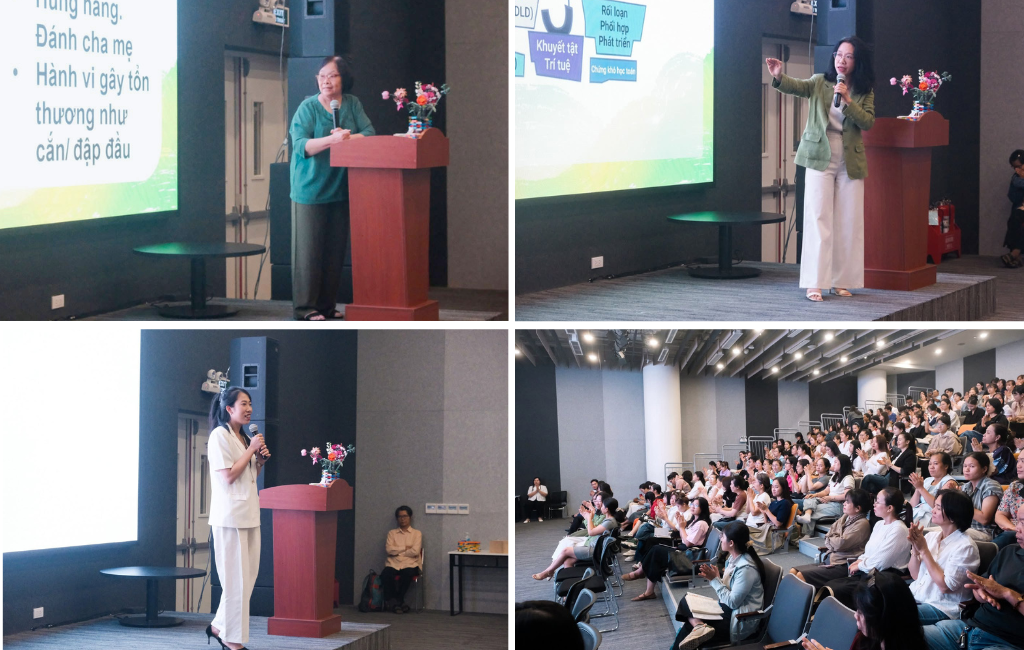
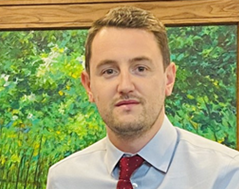
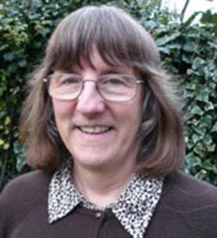
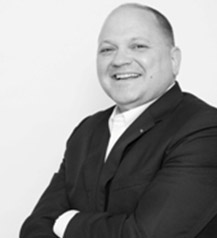
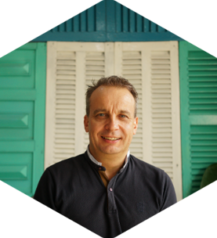
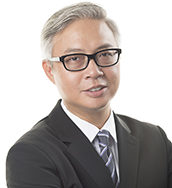
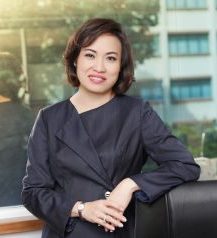
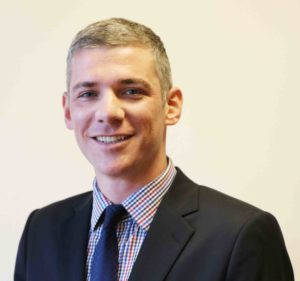
Featuring experienced speakers including Paediatrician Dr Phạm Ngọc Thanh (Former Head of the Psychology Department at Children’s Hospital 1), Clinical Psychologist Dr Nguyễn Thị Diệu Anh, Behaviour Analyst Bùi Hải Nguyên (MSc, Applied Behaviour Analysis), and Early Intervention Specialist Nguyễn Hà Anh (in charge of intervention at the LEGO Club under saigonchildren’s Special Needs Education Programme), the session attracted over 150 participants.
Attendees included psychologists, special education professionals, preschool teachers, university students in related fields, parents, and individuals interested in the topic. This diverse participation reflects the growing need within the community to better understand children with autism.
Ms N., a preschool teacher who attended the session, shared:
“Although I work with young children every day, many situations still leave me unsure how to respond. Thanks to today’s session, the next time I encounter a child’s different behaviour, I will stay calmer and try to understand what they are trying to communicate and what support they need, instead of immediately assuming they are misbehaving and trying to stop them.”
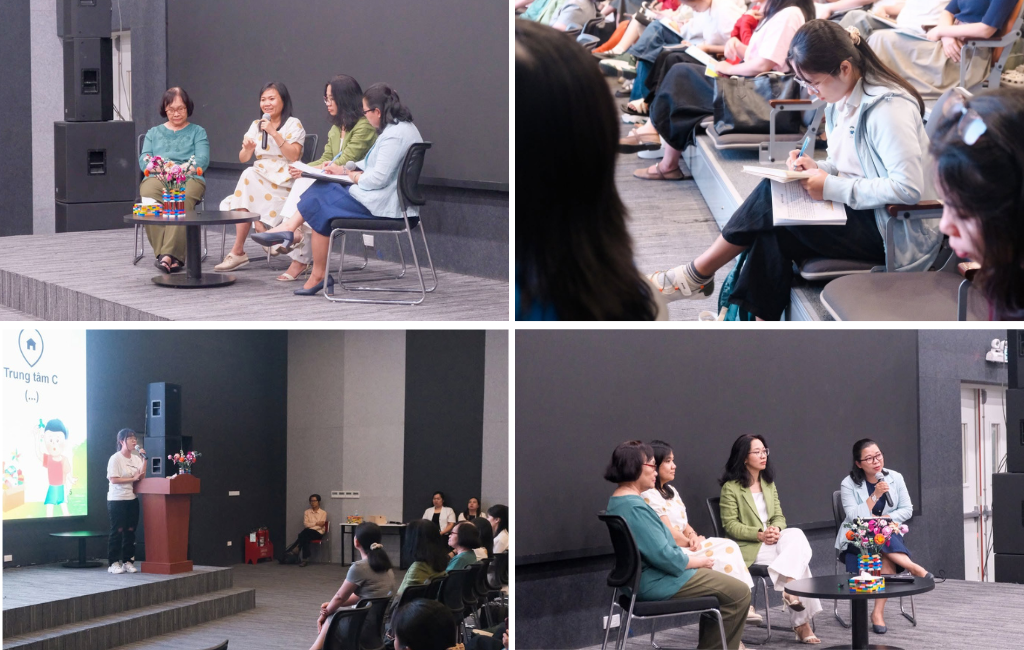
The talk show featured a special sharing session with Ms Ngoc, the parent of a child currently taking part in our early intervention project. She reflected on her nine-year journey alongside her child, the positive changes they have experienced through attending the classes together, and how the Picture Exchange Communication System (PECS) has become the most effective approach in supporting her child’s everyday communication and development.
She also expressed her hope that sharing her family’s experience would help professionals, teachers and university students gain a deeper understanding of autism and strengthen the way they support children and their families.
“I hope that by sharing my child’s story, I can contribute to the work of specialists and help improve support for children like mine. I also hope it gives teachers and university students a real-life perspective that they can draw on in their learning and future practice. Above all, I want more people to understand that autism is not an illness, and that these children deserve to be loved, supported and given every opportunity to thrive.”
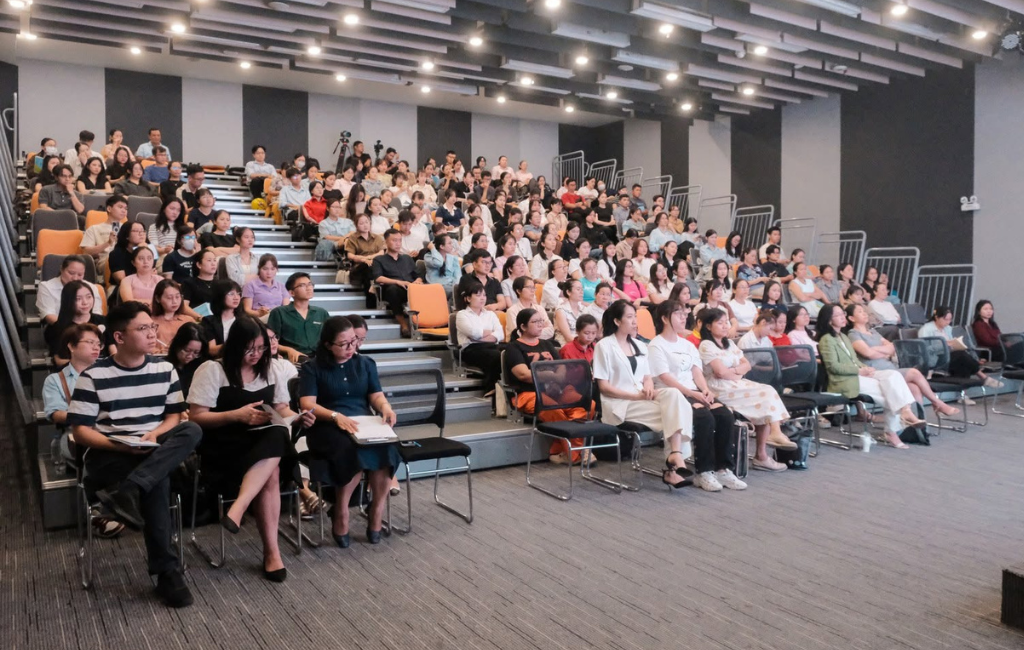
The event is part of the ongoing efforts of saigonchildren’s Special Needs Education Programme during World Autism Awareness Month 2026. The aim is to provide evidence-based professional knowledge, and to help build a more inclusive environment, where families, classrooms and communities have the understanding needed to support every child.
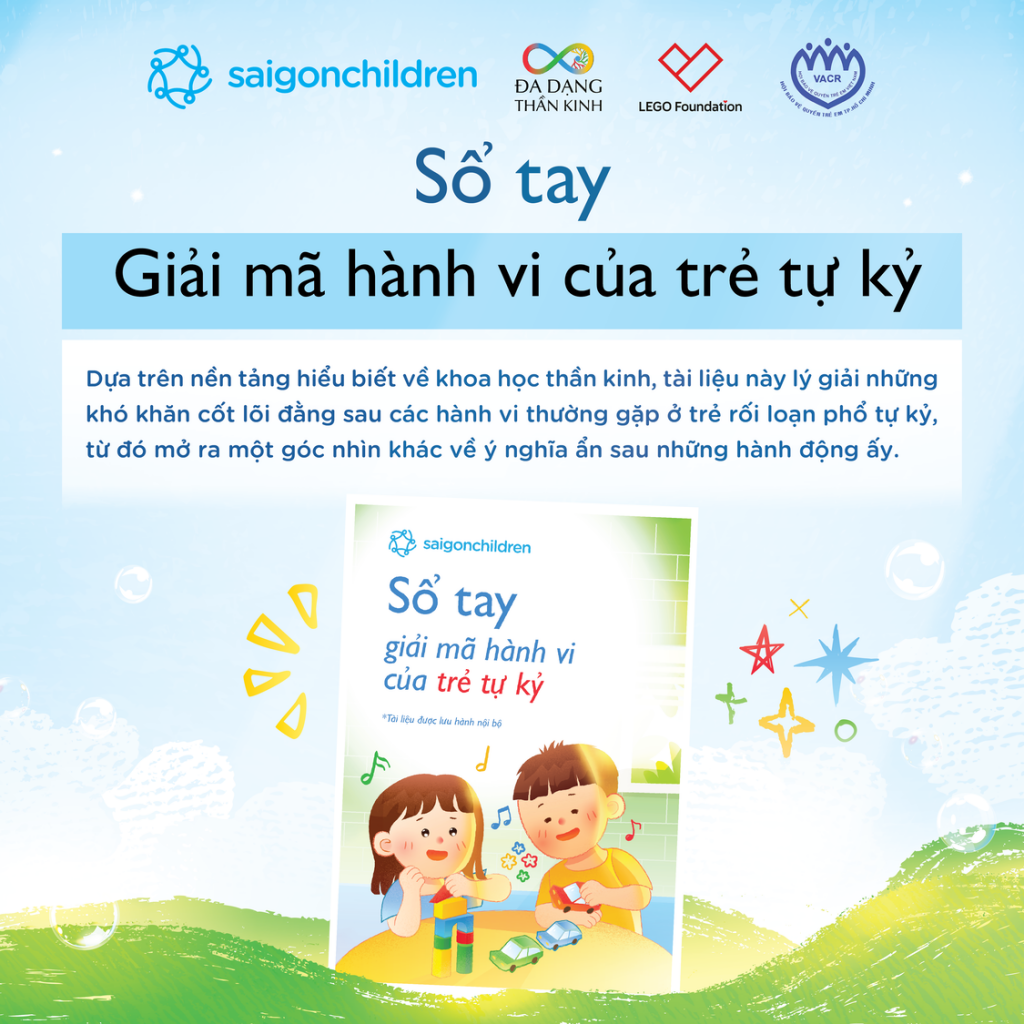
To continue sharing knowledge beyond the event, saigonchildren has introduced the “Understanding Behaviour in Children with Autism” Handbook (Vietnamese language). The handbook brings together key professional knowledge and practical insights drawn from 10 years of experience supporting neurodivergent children through the Special Needs Education Programme. It serves as a reliable, evidence-informed resource for parents, teachers and caregivers. Click here to read the handbook online.
In addition, recordings of the guest speakers’ presentations and the panel discussion have been uploaded to our YouTube channel.
“And I found another piece of the beautiful mosaic of my youth.”

PowHERful Summit 2026 inspires nearly 400 students and parents to explore STEM
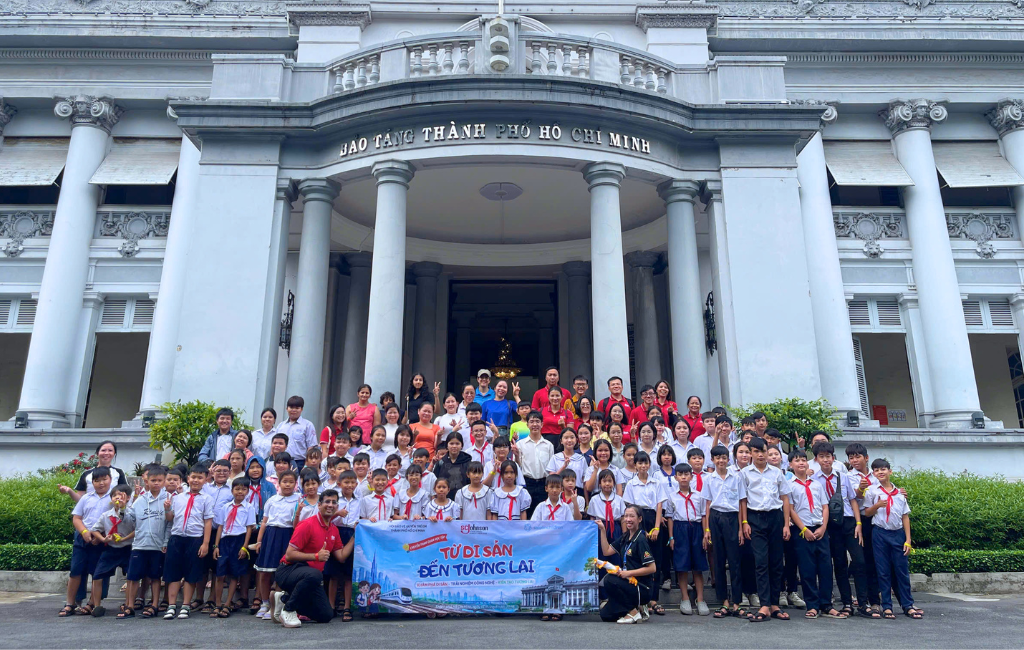
A day of experiencing vibrant modern life and historical imprints in HCMC
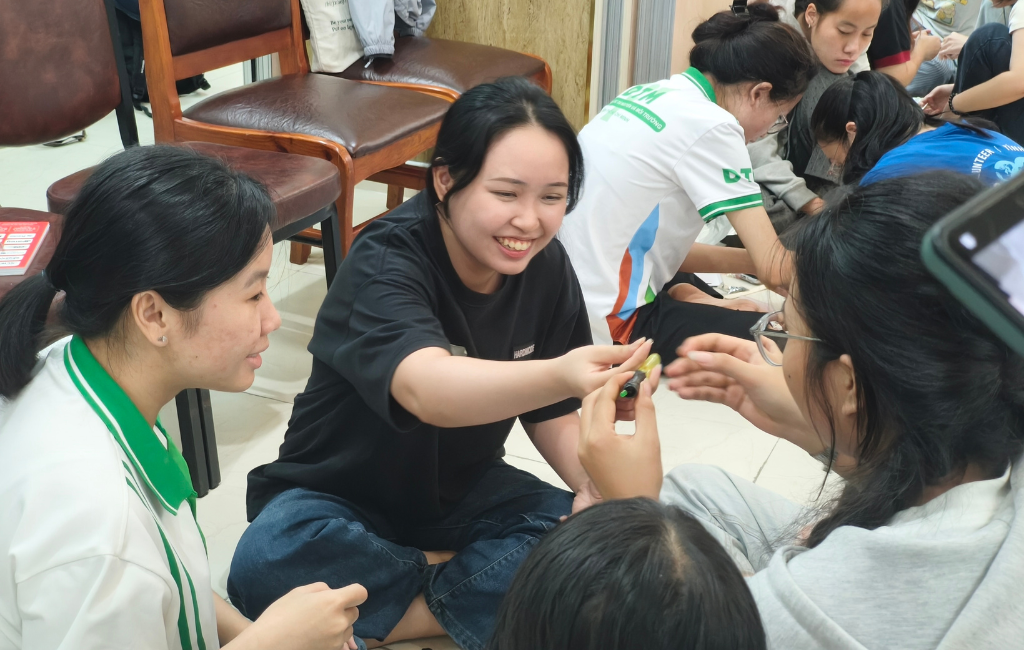
Bringing STEM to nearly 1,000 students across the Mekong Delta
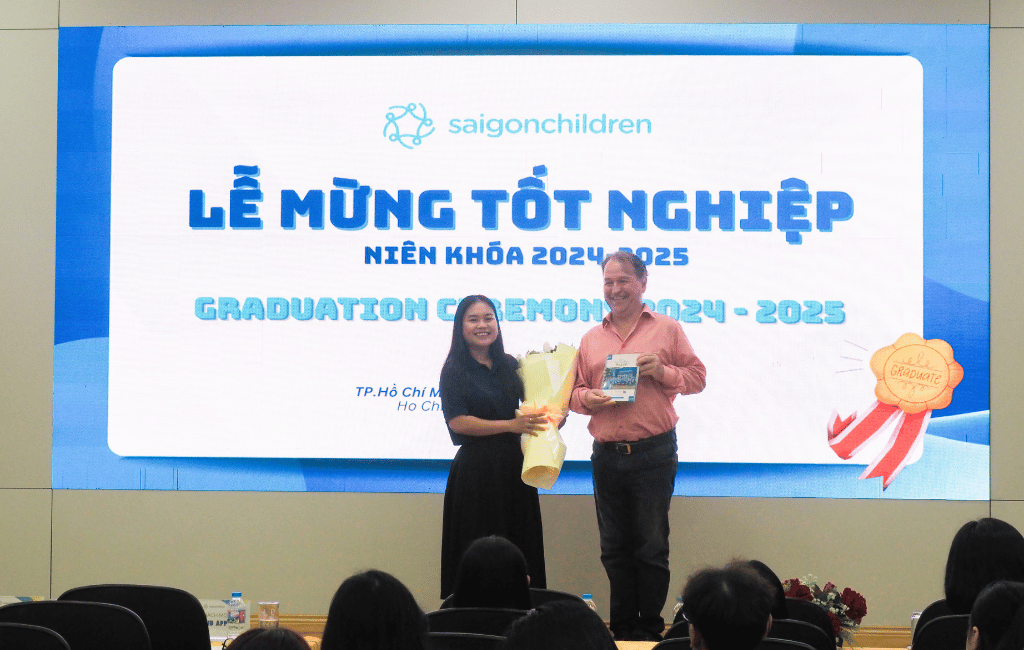
Graduation 2026: A new chapter begins for our 90 students
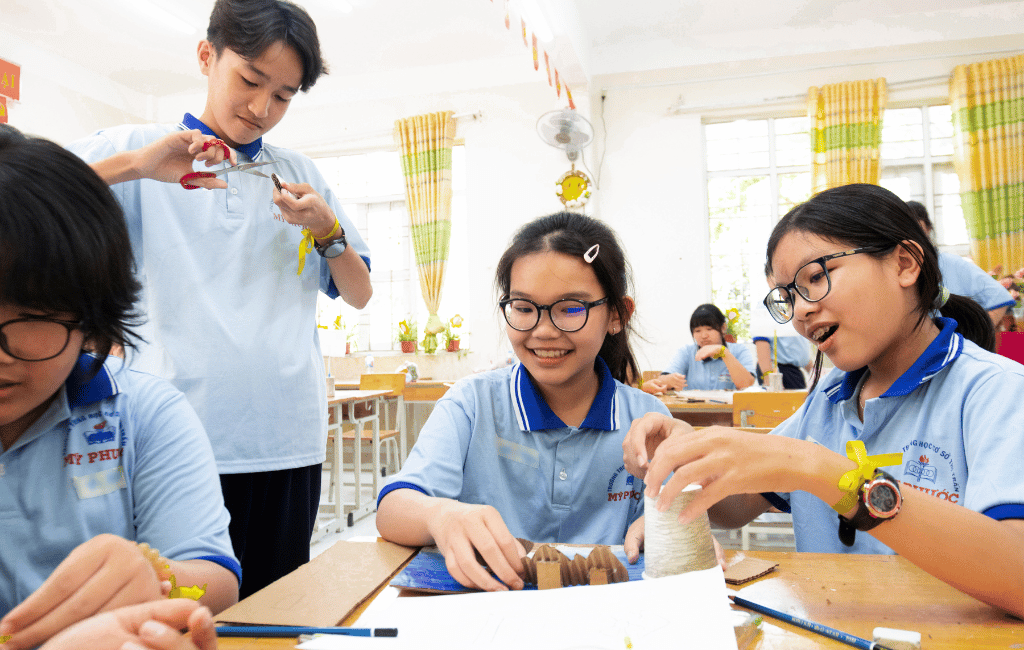
From Acronyms to Action: Empowering Female Students in STEM

Millions of Radiant Smiles Welcome Spring in Đồng Nai
“Traffic light” of mental health

267 more dreams are taking flight on their university journey

Mid-Autumn cheer with nearly 400 students in Đồng Tháp
-
Quick links
-
Contact Us
- Saigon Children's Charity CIO
- 59 Tran Quoc Thao
- Xuan Hoa Ward, Ho Chi Minh City
- Tel: +84 28 3930 3502
- Fax: +84 28 3930 3503
- www.saigonchildren.com
-
Subscribe to our newsletter