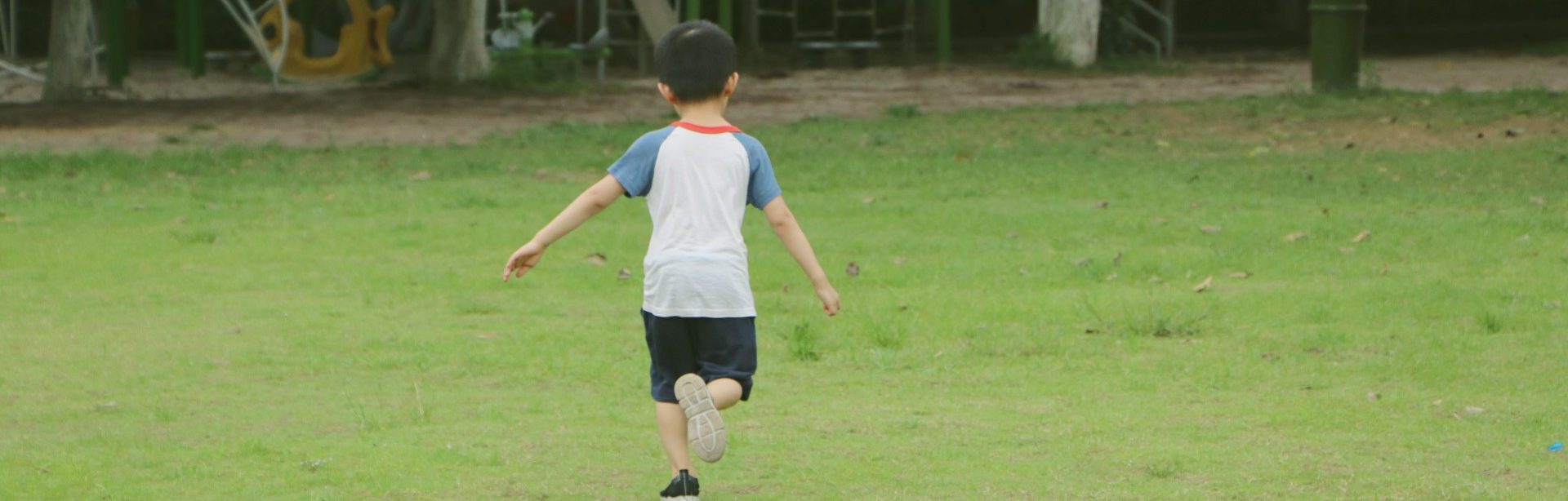
The journey of mom and son with autism
Hoang Hanh is currently a single mother living with her mother and son in Hanoi. Her son was diagnosed with autism at the age of 2 and a half and started attending early intervention classes at 3. Currently, he is in first grade. Accompanying her son during this process has been a journey of over 3 years for the entire family, from diagnosis to acceptance, to finally understanding. Together let’s listen to Hanh’s journey of development with her son, and her thoughts on prejudices towards autism in society today.
Like many other families, at first, she thought her son was just slow at speaking. But over time, after noticing his other daily life skills were still underdeveloped and his hyperactivity, she took him to the doctors. “At first I was so confused, I could not believe it, the diagnosis shocked me. But luckily I found a reliable early intervention center and received a lot of support from them. I also researched online about autism in foreign countries. Therefore, for me, the most difficult time was the beginning stage, when he was first diagnosed. And then, once you’ve accepted it, everything will be done with time”, Hanh shares.

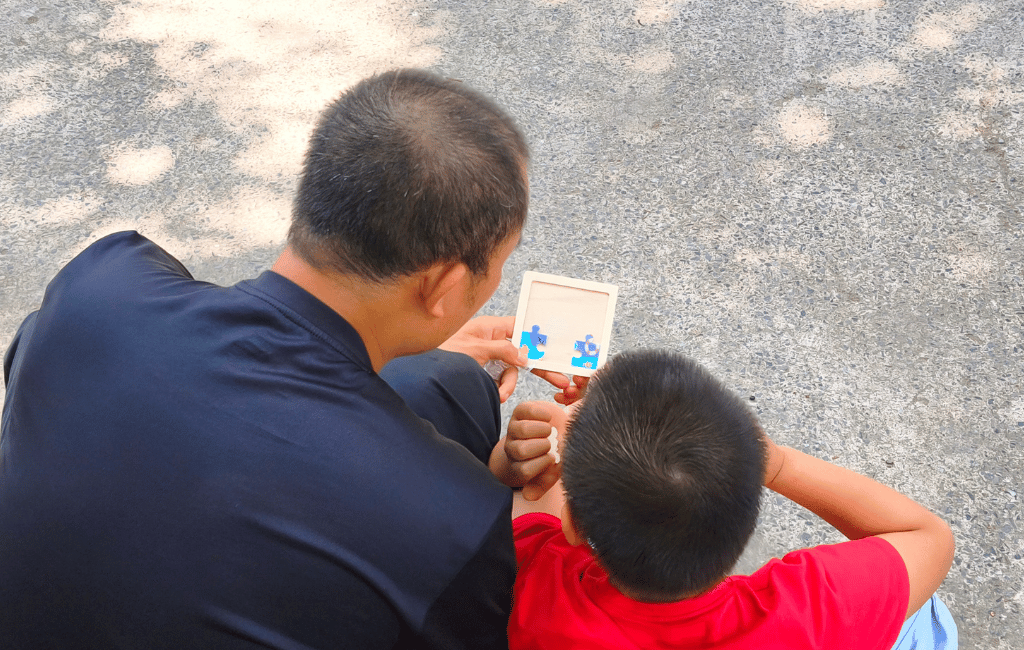
The connection between mother and child during the intervention process is of utmost importance. “At the start, it was difficult for us to communicate. He does not respond to me when I call out to him, or he would not understand me. But if you find a way to connect and build trust, naturally you will become closer. My son is now a lot better, he listens and can understand more.” – Hanh adds.
According to Hanh, currently, in the parent community, there are still some beliefs in stereotypes and misconceptions about autism. We need to know that:
- Autism IS NOT a ‘disease’, IT CANNOT BE ‘CURED’.
- Autism IS NOT caused by parental care, NOR is it caused by living circumstances. Therefore, parents should never blame themselves, be optimistic, accept, and support their child as much as possible.
- A few parents take their children to hospitals to be diagnosed continuously because they cannot accept the diagnosis of other doctors and assume they are incompetent. They continuously bring their children to be diagnosed until they are happy with the diagnosis, even if it is not an accurate medical diagnosis of the child. However, we need to remember that hospitals have the best specialists for examining and diagnosing children. “Doctors have to interact with many patients, and sometimes some parents do not have the best attitude, they become difficult and rigid. Doctors have expertise and experience, so usually, they just require a few steps to identify the child’s condition”, Hanh shares.

Furthermore, there continue to exist many prejudices towards autism in society. For example, “People with autism should not be part of the community”. During the process of enrolling her son into first grade, Hanh was questioned: “Why don’t you take your school to a special school instead of a normal one?”. Children with autism love to communicate, they just do not know how to. Hanh shared that her son loves to attend school and socialize – he is the happiest when he gets to go to school, where his uniform, take his books, receive birthday gifts, and accepted in society.
Moreover, there are many things we can learn from people with autism, like their cheerful optimism. “Parents get so worried and scared of how other people will perceive their child, but the child does not care – as long as the child is happy. They do not let the words of other people affect them. Their world is theirs, it does not matter if someone does not want to be a part of it. I learned that perspective from my child”, Hanh said.
People with autism may initially find difficulty in certain life skills, they may not know how to behave in a ‘socialized’ manner, but over time with persistent support, they will be able to learn and adapt. Once they have acquired the skills, they can be even more disciplined than us.
Let’s support children with autism and help them integrate better with society by participating in The Steps Challenge, and Step Up for Autism!
“Ahhh! Ahhh!” – What comes to mind when you hear a child shout in a crowd?

When education and empathy allow ‘tough shells’ to bloom
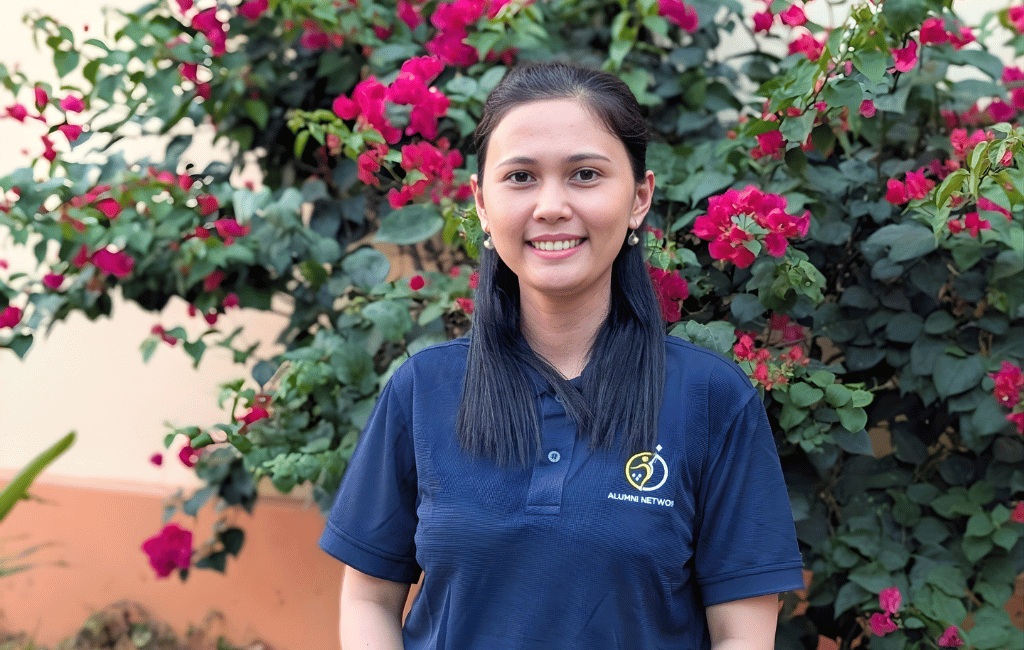
11 Years of Scholarships, a Journey Home: Miên Becomes a Doctor in Vĩnh Long

Han’s story: When Early Tinkering Grows into a Future in STEM
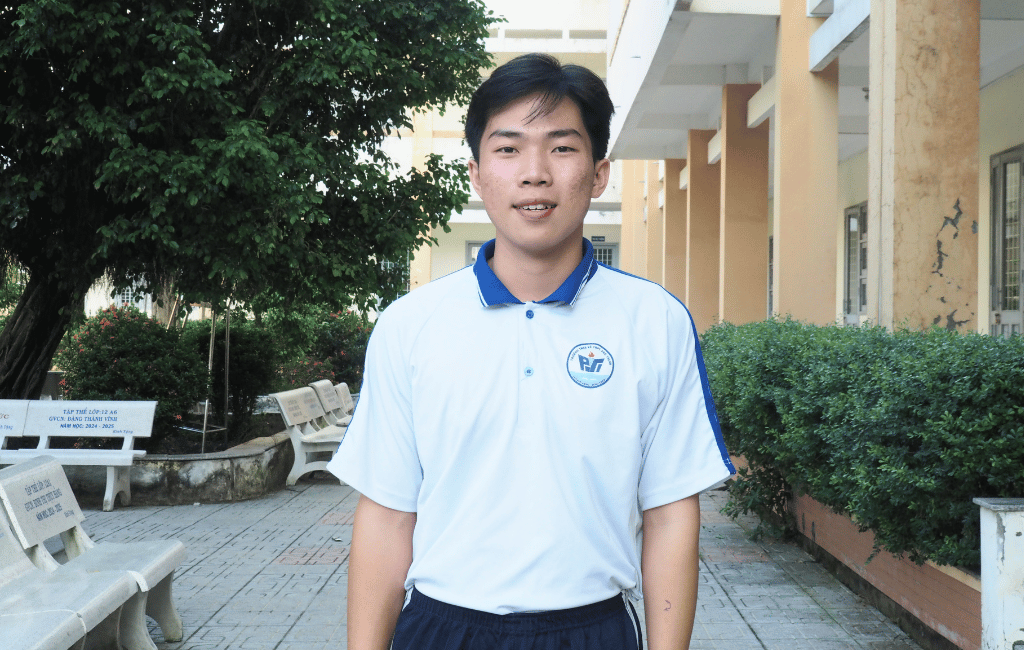
So long as we can keep going to school, the door to a future brighter stays open
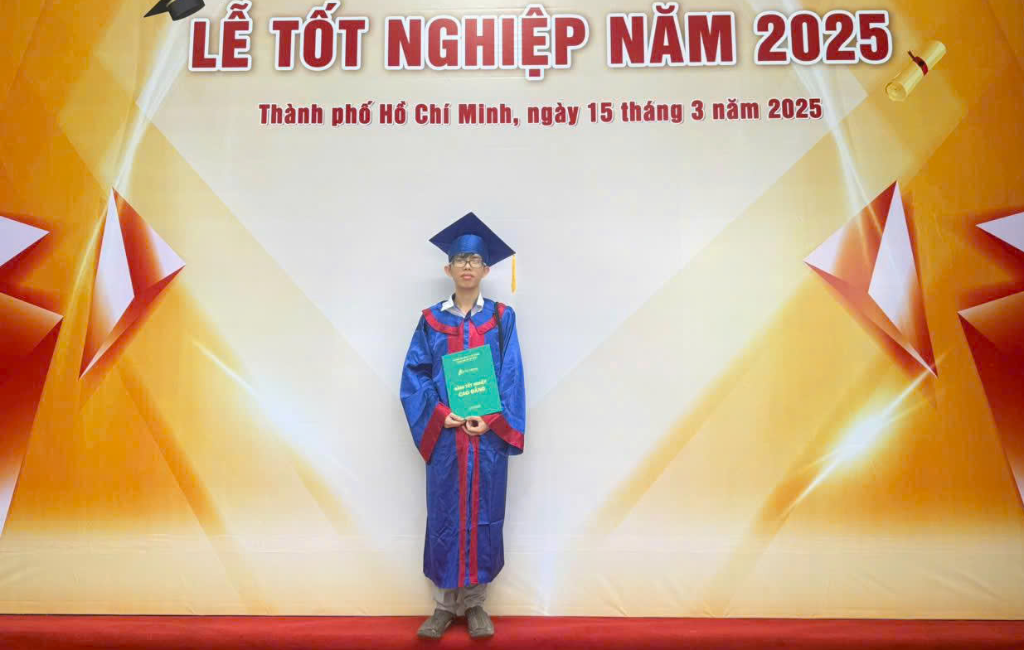
A helping hand lifted Đại up at just the right time
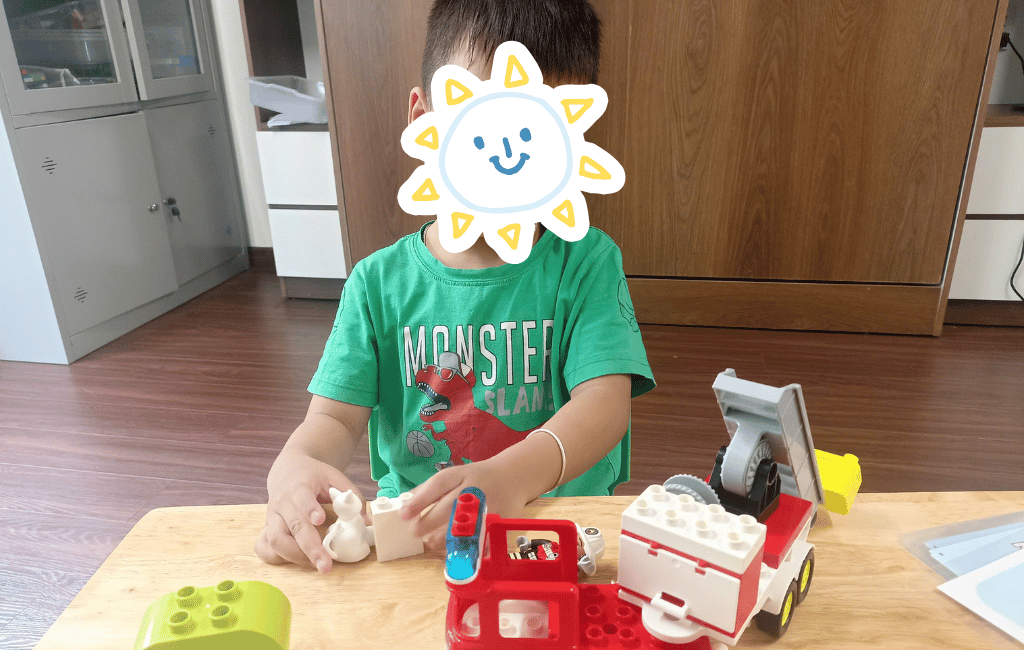
Small steps forward: T.Đ.’s development journey
Paying It Forward: From a Scholarship Student to a Skilled Supporter
A 25-year-old bike driver and his dream of earning a college degree in mechatronics engineering

ANH CHỊ EM URGENT SUPPORT TO KEEP Đ.’S UNIVERSITY DREAM ALIVE
-
Quick links
-
Contact Us
- Saigon Children's Charity CIO
- 59 Tran Quoc Thao
- Xuan Hoa Ward, Ho Chi Minh City
- Tel: +84 28 3930 3502
- Fax: +84 28 3930 3503
- www.saigonchildren.com
-
Subscribe to our newsletter