Is Autism an ‘illness’ of the rich?
There are misconceptions that children born into affluent families may spend less time with their parents who are busy working, and more time watching TV or playing on mobile phones and computers. However, autism is a disorder that someone is born with and is not caused by a person’s upbringing.

1. The rate of children with autism recorded does not accurately reflect the overall situation
According to the Department of Psychology at Children’s Hospital 2, the majority of children with autism who come in for diagnosis and intervention are from wealthy families, living in Ho Chi Minh City more than other provinces
However, from a holistic point of view, affluent families have more access – although parents may not spend a lot of time with their children, they have more awareness of autism and a network of friends and relatives who can help in recognizing developmental delays. Because of this, they are more likely to bring their child in for diagnosis and early intervention classes. Meanwhile, families in disadvantaged circumstances have less access to intervention and less awareness of early signs of autism in children. Thus, when looking at the multiple factors that can influence diagnosis and intervention, the current rate of children with autism recorded does not accurately reflect the overall picture of autism spectrum disorder in society.
2. Parental time and care
It cannot be denied that parental care will affect whether children with autism can receive intervention in time. In families with difficult circumstances, parents are likely busy with work through a child’s early developmental stage. In families that are more affluent, children are often left with nannies or sent to nursery school from an early age – children are less close to relatives, therefore their early signs of autism go unnoticed.
In families with difficult circumstances, children may live in the same house with numerous relatives, however, they have less awareness of, and do not pay much time or attention to psychological issues. With that being said, only a child’s parent can fully understand what their child needs, and how they are developing – so whether they are well-off or not, every child needs their parent’s time and care.

3. The opportunity for social interaction
Children with autism often find difficulty in verbal communication and social interaction. The less social interaction, the more regressive their skills become. Children living in metropolitans, wealthy families, may have limited social exposure. For example, children from wealthy families are often overprotected by their parents, they may have their own bedroom, or they live on the main road with a lot of vehicles so playing outside is restricted, or they live in a residential area that is secure with little contact with neighbouring houses.
Meanwhile, children living in rural areas or in small neighbourhoods, alleyways, have a higher chance of playing outside, even though it may be presumed to be a sign of parental disregard for their child’s safety. A parent of a child participating in saigonchildren’s early intervention programme shares, “at that time, the family did not know that he had autism, so we didn’t pay much attention to it. He would often run around and play with his friends, but one time he got lost, we had to go and look for him. Or sometimes he likes to climb stairs or high railings, without realising the possible dangers, and I wasn’t paying attention either.”
4. The opportunity for early intervention
Nowadays, early intervention classes for children with autism have gradually become more prevalent. However, tuition fees are still quite high, with classes up to 6 million VND per month, making it difficult for many parents to afford to send their children to early intervention classes and closely monitor their child’s development. Saigonchildren is currently a pioneer in sponsoring early intervention classes for children with autism under 6 years old in disadvantaged circumstances. Once a week, students will have 60 minutes to study with their teachers. In particular, the participation of parents is encouraged and required for every class, ensuring that they can continue intervention at home to help their children develop the skills required to qualify for inclusive education.

Children born into any circumstances, city or rural, rich or poor, have the same probability of developing autism. There is no scientific basis to prove that autism stems from neglectful parenting because of family conditions. But if children with autism are properly cared for and supported, they will be able to develop learning abilities and basic independence skills to better integrate into school and social environments.
“And I found another piece of the beautiful mosaic of my youth.”
PowHERful Summit 2026 inspires nearly 400 students and parents to explore STEM
A day of experiencing vibrant modern life and historical imprints in HCMC
Bringing STEM to nearly 1,000 students across the Mekong Delta
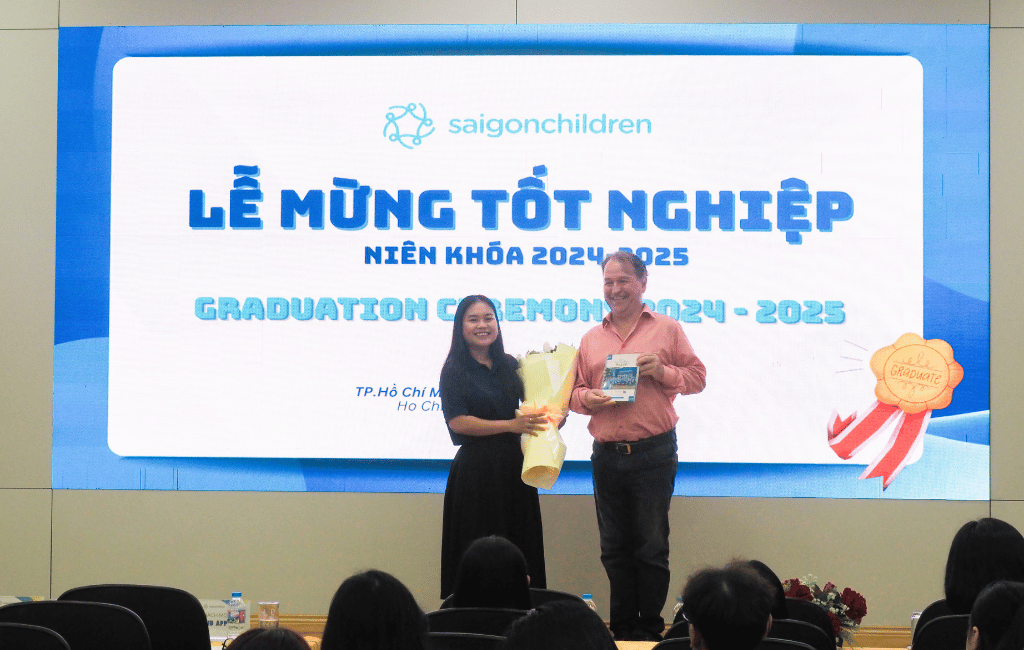
Graduation 2026: A new chapter begins for our 90 students
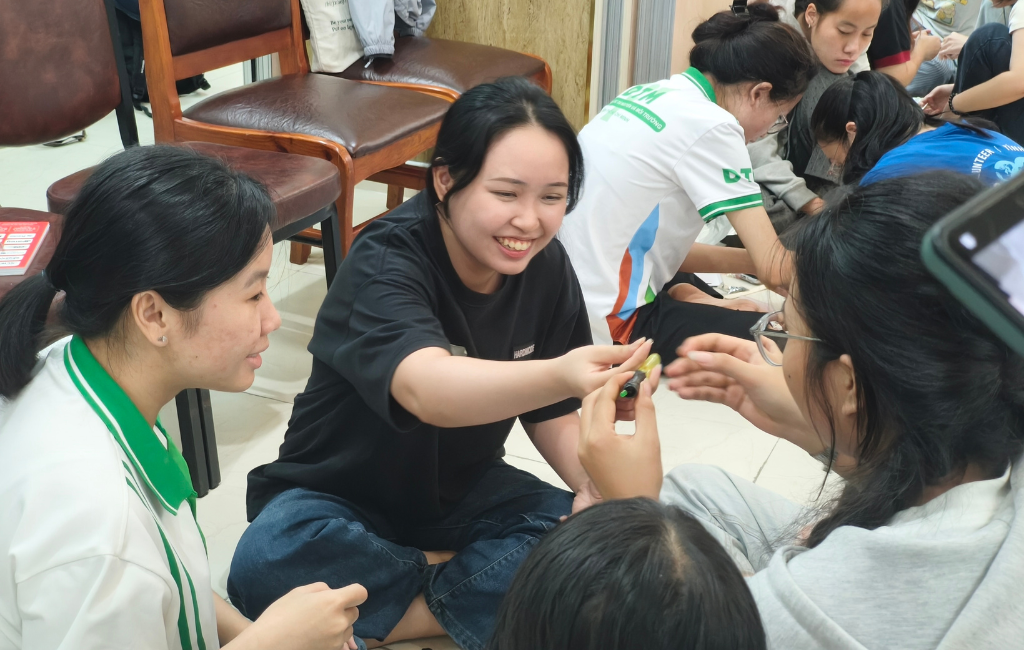
From Acronyms to Action: Empowering Female Students in STEM
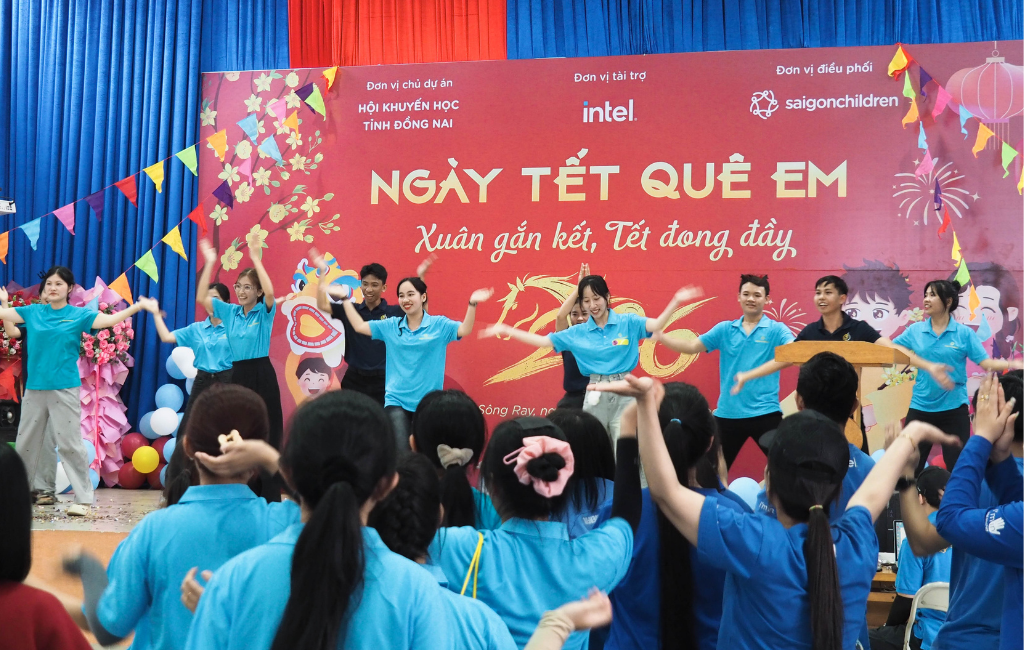
Millions of Radiant Smiles Welcome Spring in Đồng Nai
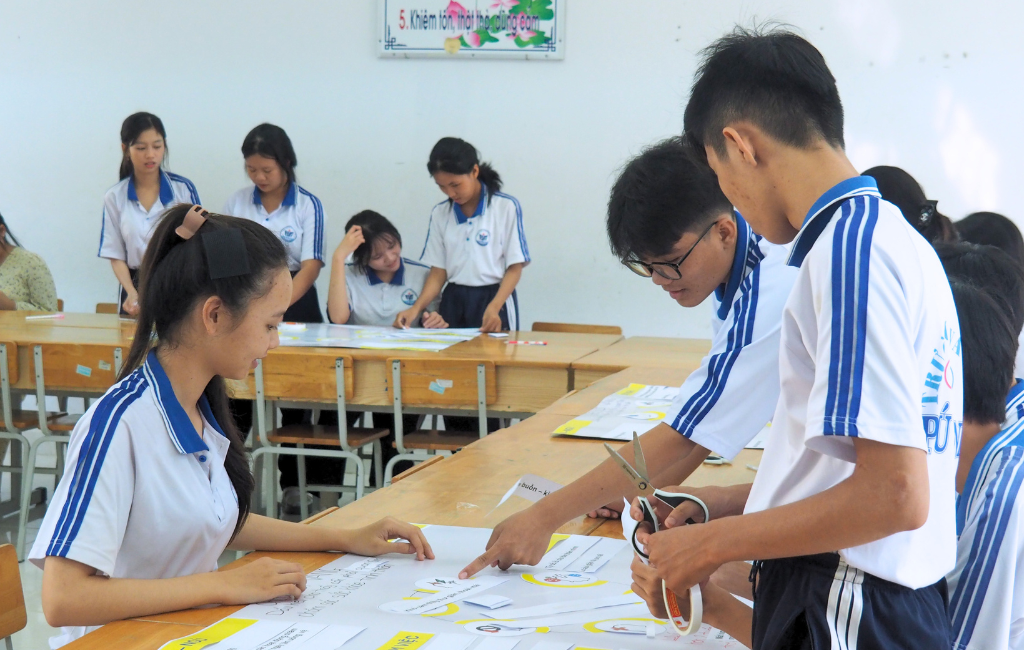
“Traffic light” of mental health

267 more dreams are taking flight on their university journey
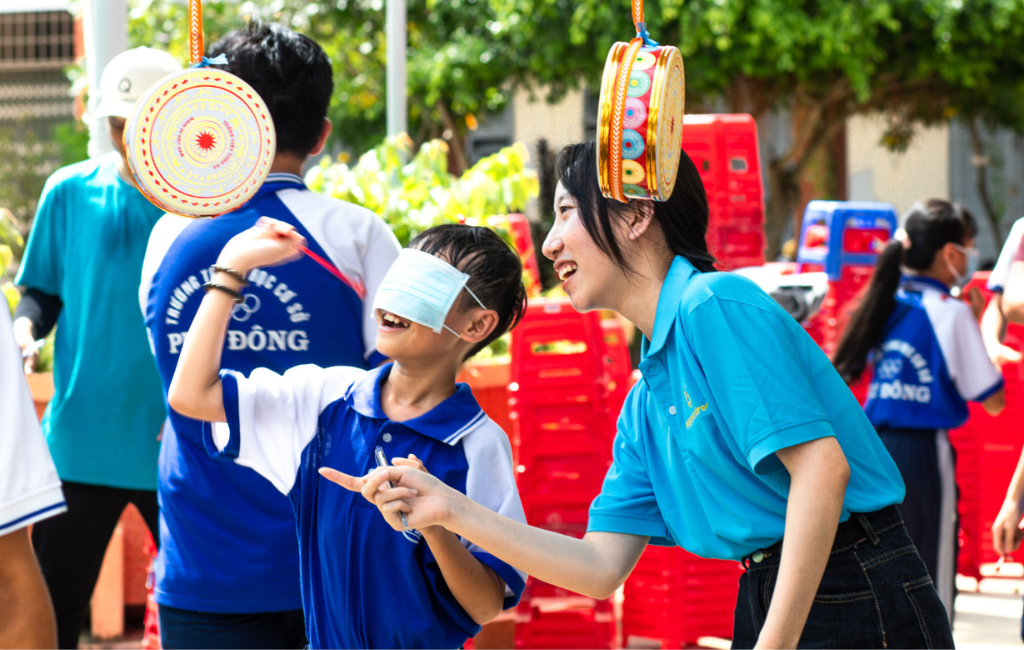
Mid-Autumn cheer with nearly 400 students in Đồng Tháp
-
Quick links
-
Contact Us
- Saigon Children's Charity CIO
- 59 Tran Quoc Thao
- Xuan Hoa Ward, Ho Chi Minh City
- Tel: +84 28 3930 3502
- Fax: +84 28 3930 3503
- www.saigonchildren.com
-
Subscribe to our newsletter