LEGO Mobile Club: Building skills and inspiring the next generation of special needs education professionals
“As soon as I heard about the ‘Play-Based Learning training course’ for university students, I signed up straight away.”
Mỹ Hằng was one of the university students who attended Understanding the Behaviour of Children with Autism Spectrum Disorder, a sharing session organised by saigonchildren last April for parents and professionals working with children. Inspired by the expertise, dedication and genuine care demonstrated by both the speakers and the Special Needs Education Programme team, she did not hesitate to register when she learnt that a Play-Based Learning training course was being offered exclusively to university students through the programme’s partner organisations and network of specialists for the first time.
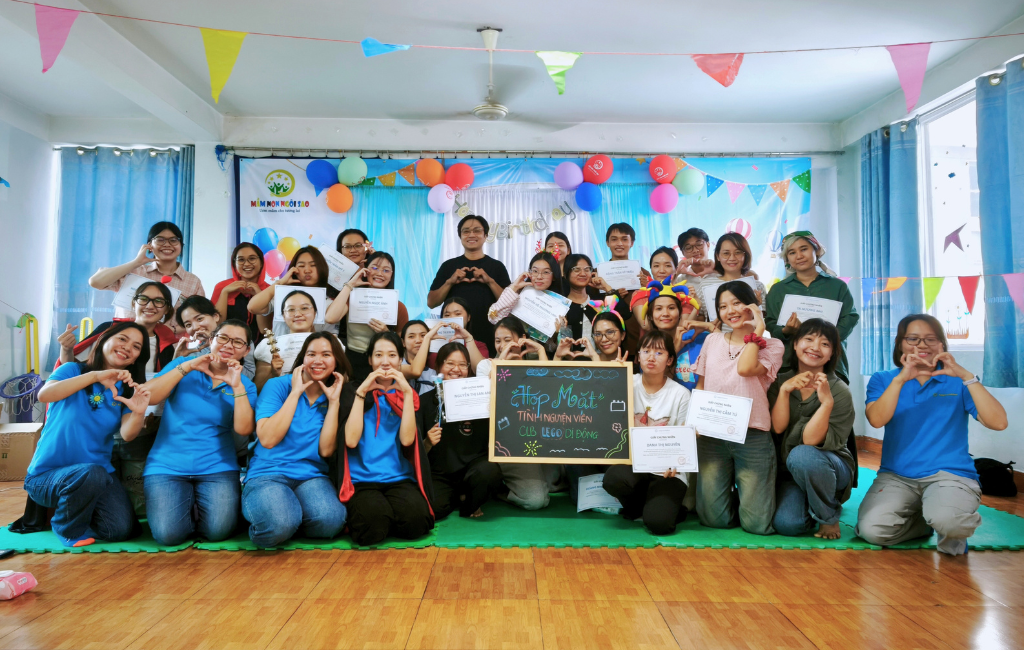
Alongside more than 30 students studying Psychology, Social Work and Special Needs Education, Hằng completed two training courses that equipped her with valuable knowledge and practical skills, helping her feel better prepared for a future supporting children with additional needs. As the next generation of professionals entering the field, these students will go on to work directly with children in the years ahead.
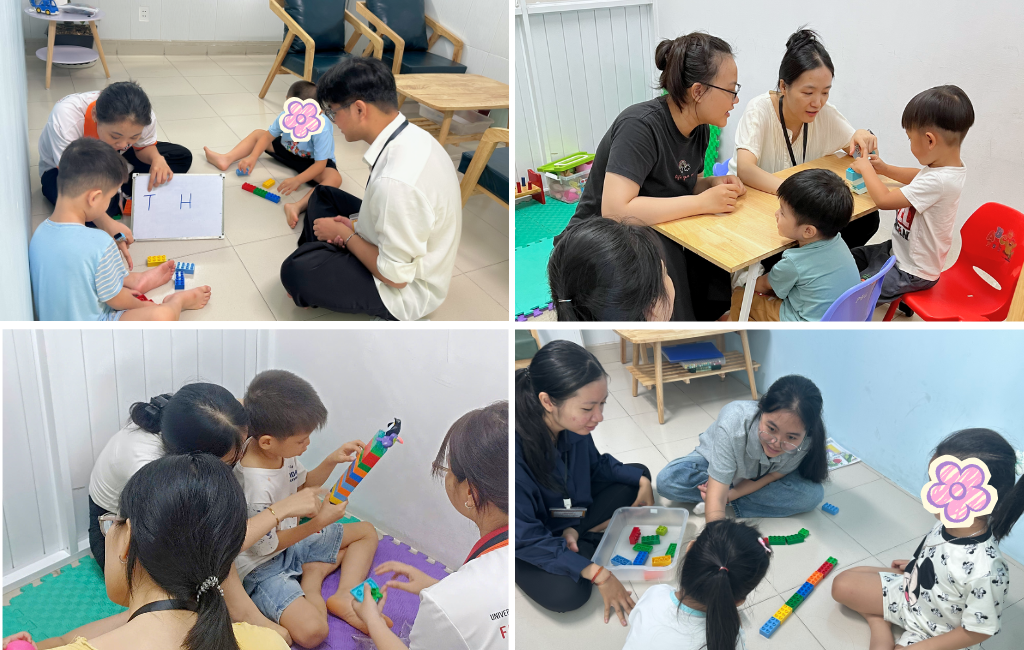
The next stage of the initiative took the students beyond the classroom and into residential care homes and intervention centres across Hồ Chí Minh City, where they put their learning into practice. By turning theory into meaningful play sessions, they created opportunities for children to learn, develop and express themselves through play.
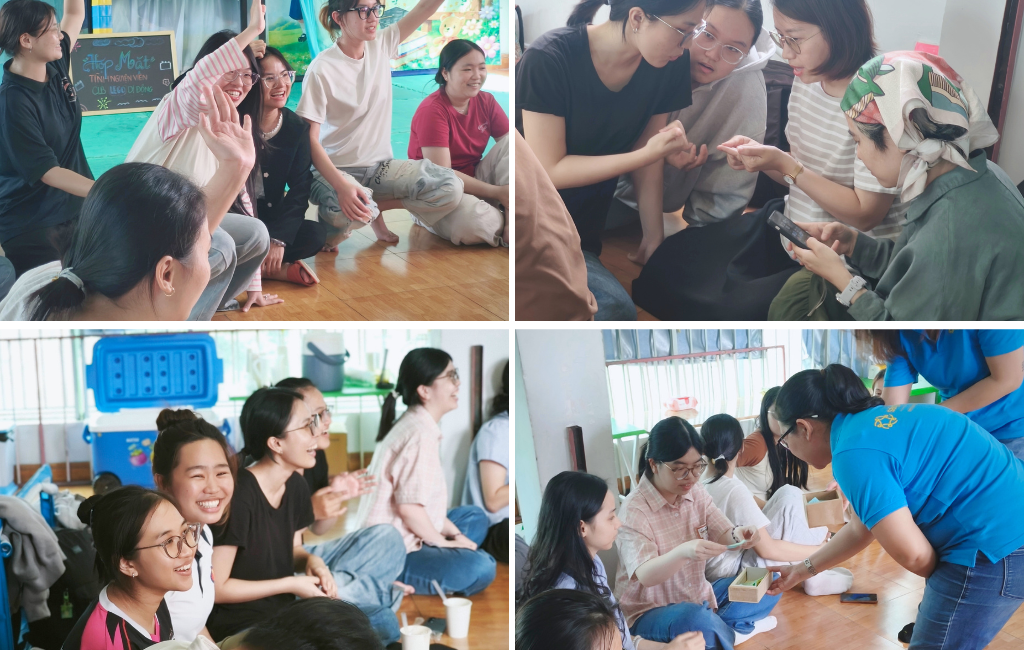
After more than a month of working alongside the children, the students came together in early August to reflect on their experiences and the lessons they had learnt.
Xuân reflected:
“This was the first time I had learnt how to play and truly engaged in play with children with special needs. Realising the limits in their play opportunities deeply moved me. Thank you, saigonchildren, for your dedication to sharing knowledge and spreading love, allowing us to be part of such a meaningful journey for the community.”
For Thắm, the experience gave her a deeper understanding of sensory difficulties:
“There was a child I met who was highly sensitive to sound. When we started the singing activity, they enjoyed it at first, but soon became overwhelmed by the loud noise and started crying. That was when I truly understood what sensory sensitivity can look like in real life. Through this project, I learnt about the principles behind play and realised how important play can be in helping children express and regulate their emotions.”
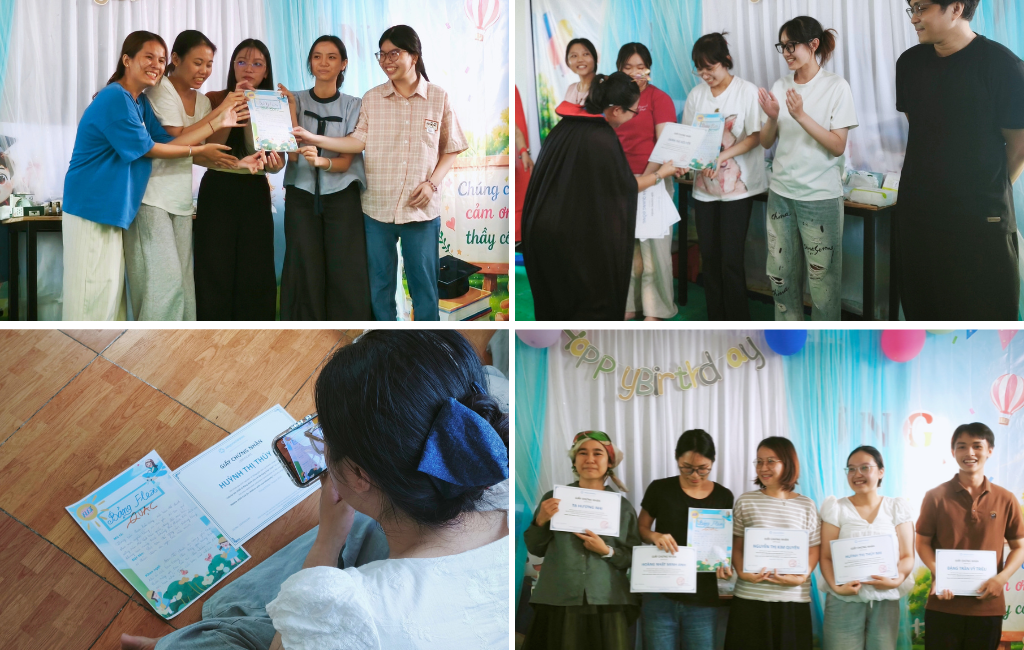
Alongside the reflection session, the Special Needs Education Programme team organised a series of interactive games to help reinforce the students’ learning. Volunteer certificates and commemorative display boards were also presented in recognition of their dedication and commitment throughout the initiative. As a special reward, the winning team also received places on an upcoming field trip with saigonchildren on 8 August, where they will continue supporting children taking part in the programme’s early intervention project.
Currently, with the generous support of The LEGO Foundation, saigonchildren’s Special Needs Education Programme has successfully established 14 LEGO Clubs across the country. Recognising the immense power of play-based learning for children with additional needs, we wanted to take this approach even further. This ambition led to the launch of our first-ever LEGO Mobile Club, an initiative that specifically delivers play-based learning training to university students. Rather than being confined to a fixed space, this project brings LEGO bricks and mobile intervention methods directly to early intervention centres, delivered through the hands of these future educators.
By combining professional training with hands-on experience, this model aims to strengthen the capacity of the local workforce and nurture the next generation of practitioners in psychology and special education. Just as importantly, the students’ own reflections demonstrate the profound personal impact of this approach. The experience not only deepened their understanding of play-based learning and its practical application, but also strengthened their empathy, compassion, and passion for supporting children on their professional journey ahead.
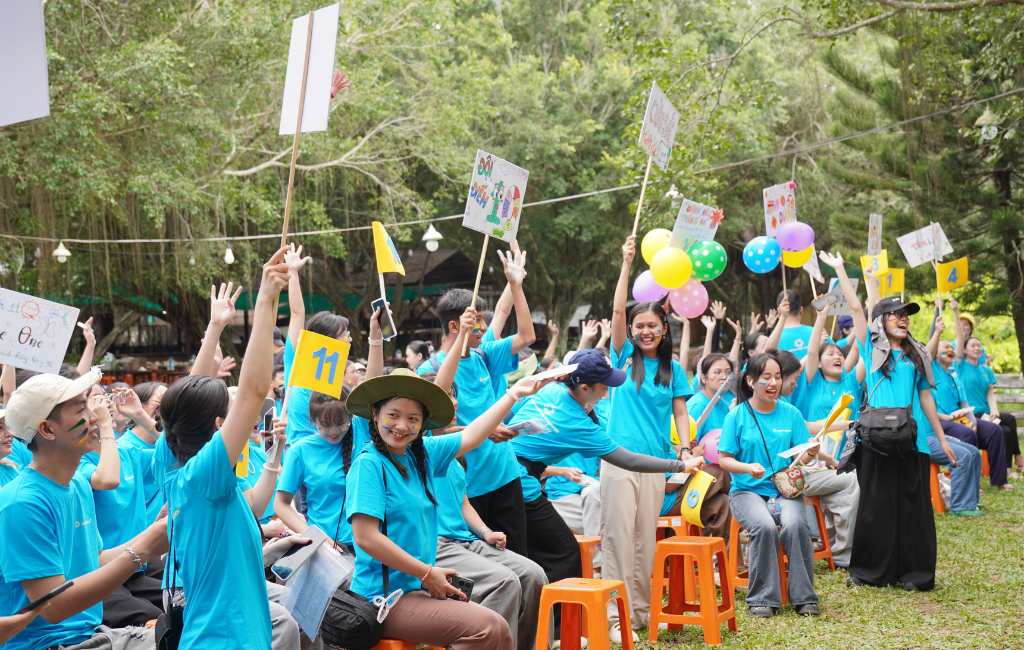
“And I found another piece of the beautiful mosaic of my youth.”
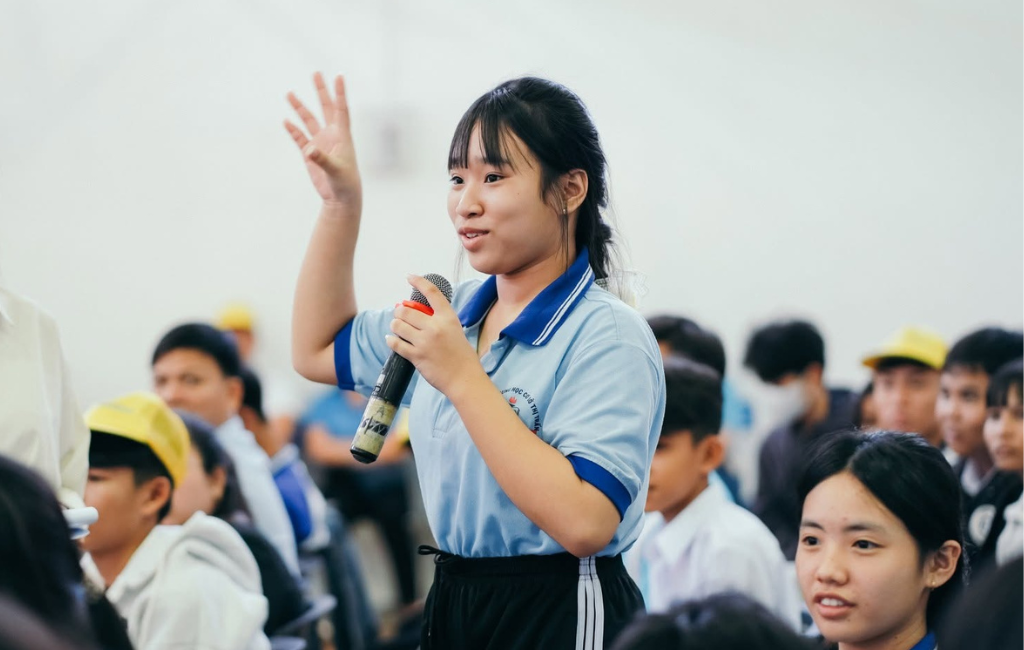
PowHERful Summit 2026 inspires nearly 400 students and parents to explore STEM
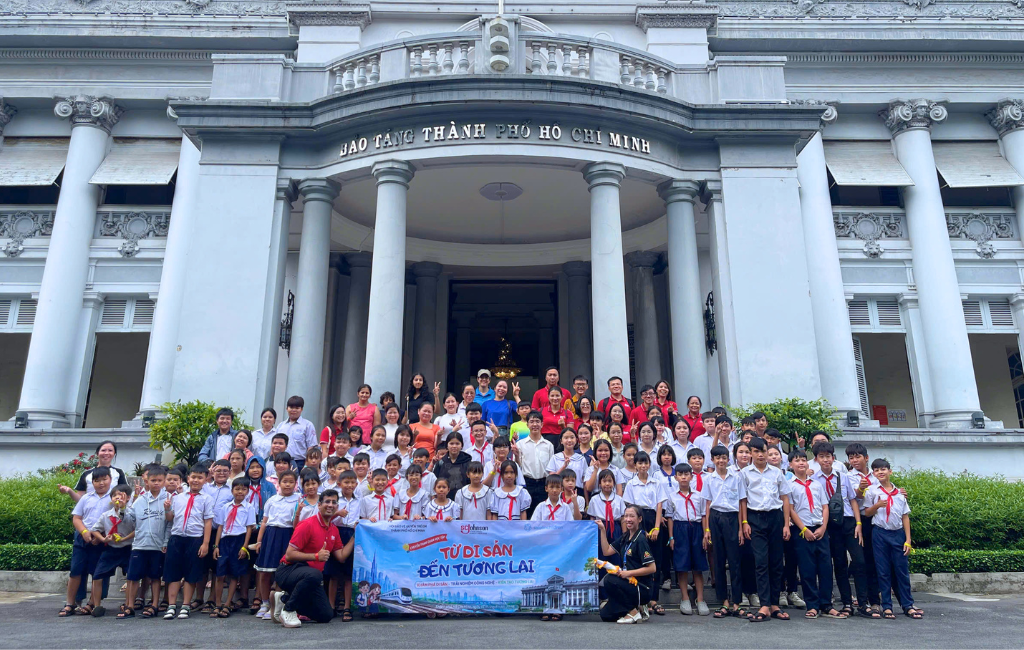
A day of experiencing vibrant modern life and historical imprints in HCMC
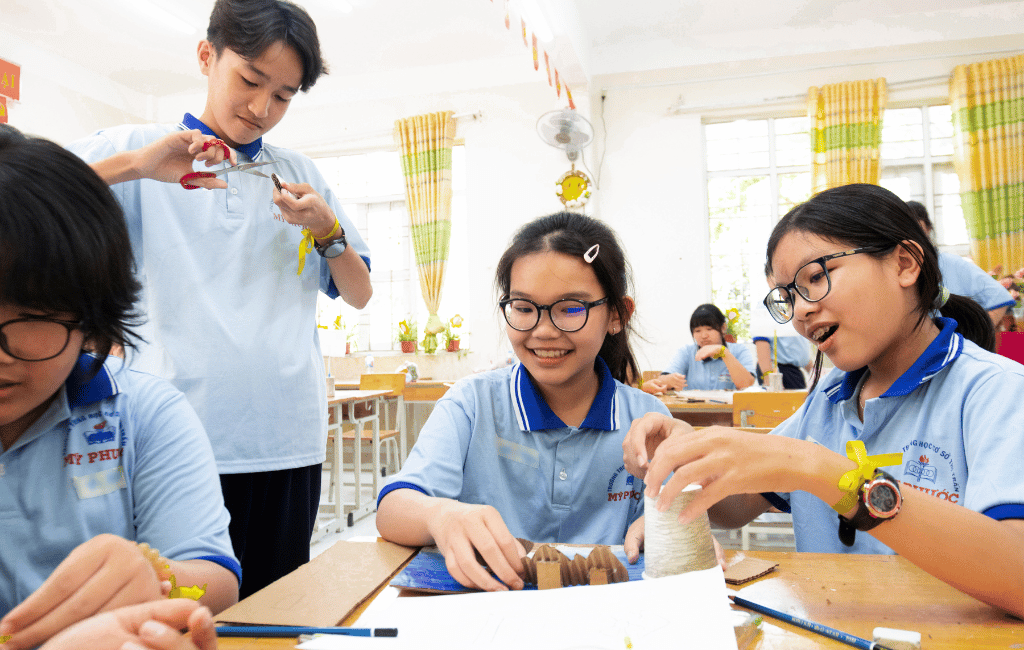
Bringing STEM to nearly 1,000 students across the Mekong Delta
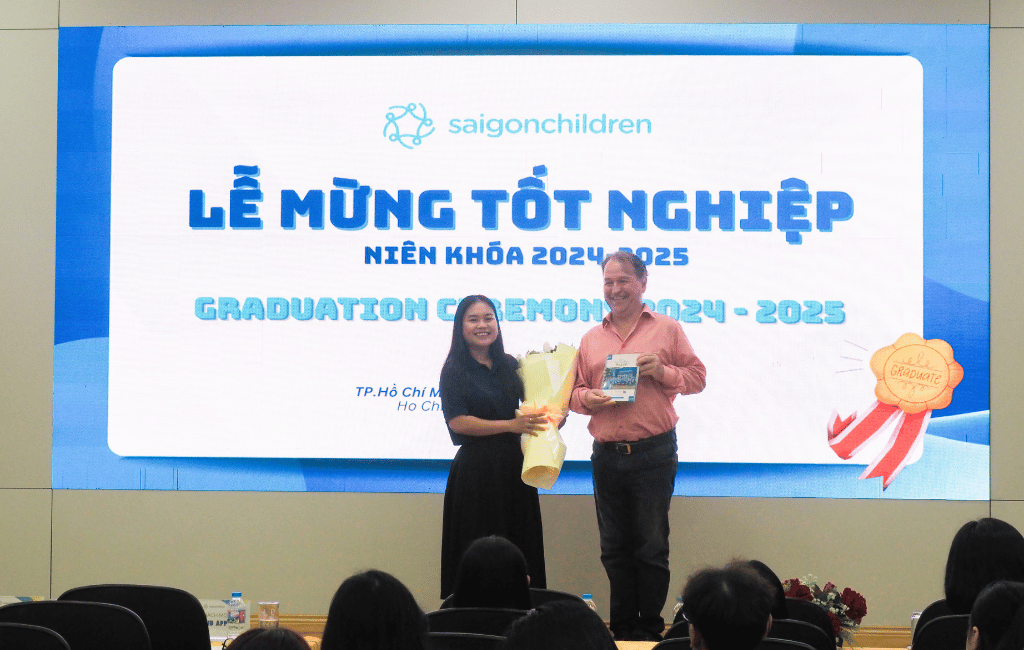
Graduation 2026: A new chapter begins for our 90 students
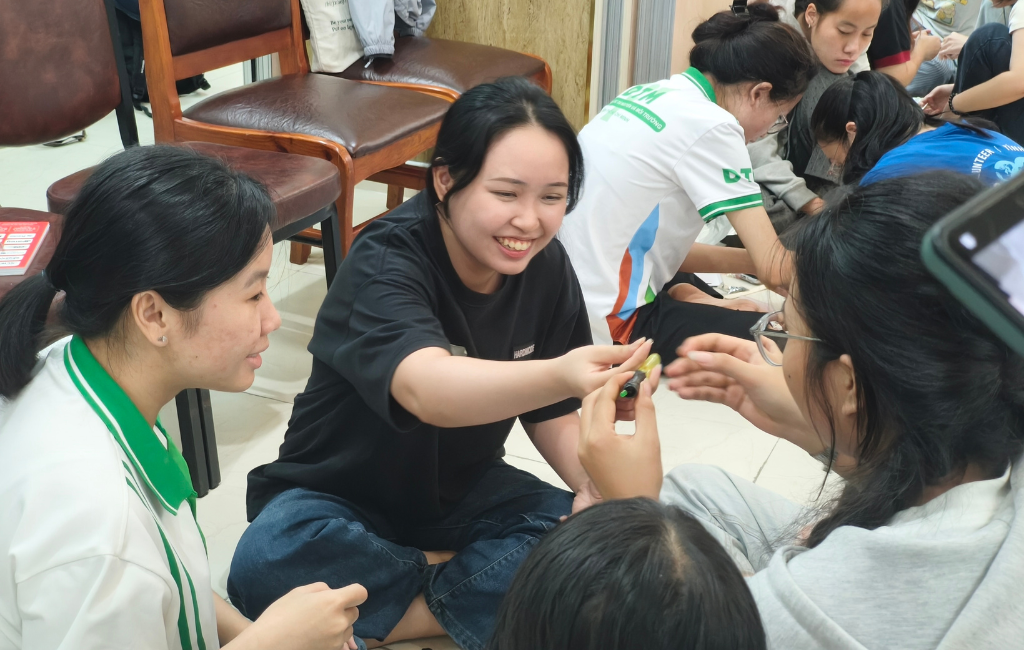
From Acronyms to Action: Empowering Female Students in STEM
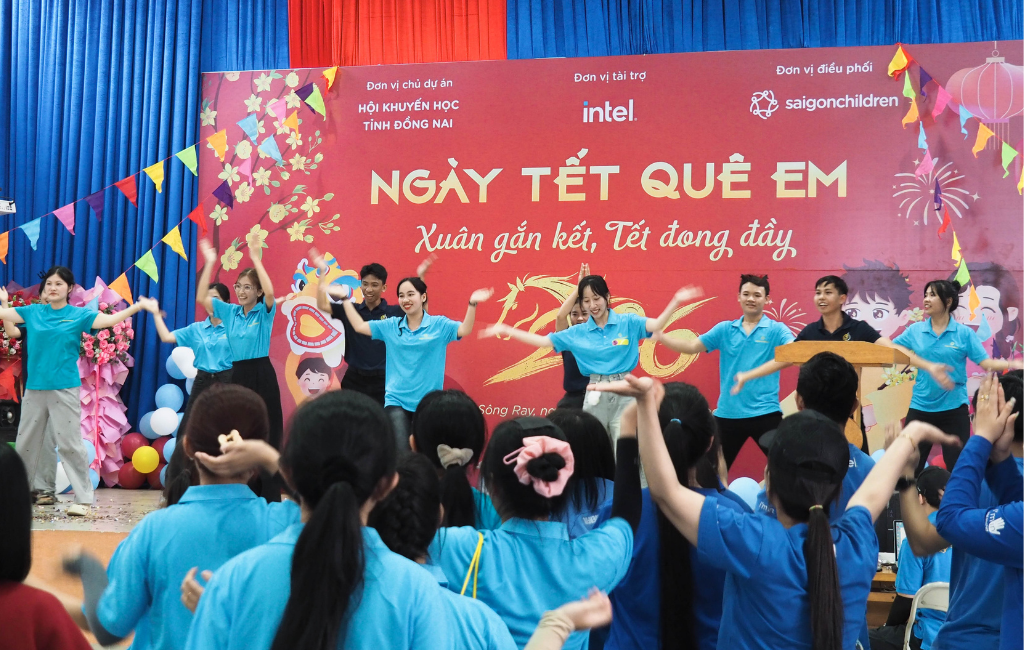
Millions of Radiant Smiles Welcome Spring in Đồng Nai
“Traffic light” of mental health

267 more dreams are taking flight on their university journey

Mid-Autumn cheer with nearly 400 students in Đồng Tháp
-
Quick links
-
Contact Us
- Saigon Children's Charity CIO
- 59 Tran Quoc Thao
- Xuan Hoa Ward, Ho Chi Minh City
- Tel: +84 28 3930 3502
- Fax: +84 28 3930 3503
- www.saigonchildren.com
-
Subscribe to our newsletter